Merino wool vs regular wool – what's the difference?
Merino wool and regular wool both come from sheep, but they feel and perform differently. Here we explain the difference in fibres, softness, warmth and care.
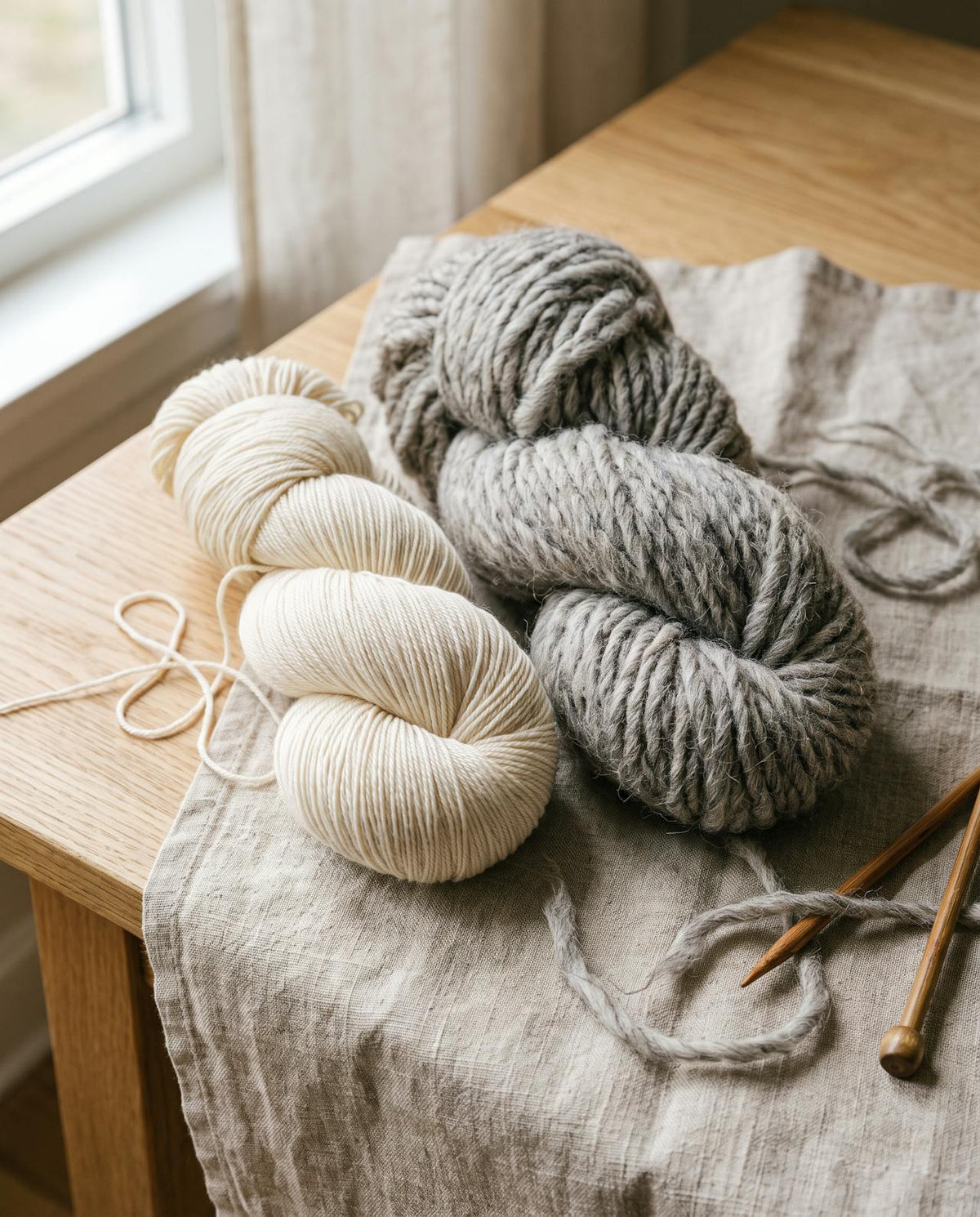
Wool has kept people warm for thousands of years. But "wool" is a broad term, and the difference between a coarse wool jumper and a thin merino base layer is huge. If you've ever wondered why some wool garments itch and others don't, the answer is largely down to the thickness of the fibre. Here we break down the differences.
What is merino wool?
Merino wool comes from the merino sheep, a breed originally developed in Spain and now farmed on a large scale in places like Australia and New Zealand. What makes the merino sheep special is its very fine, dense fleece.
"Regular wool" is an umbrella term for wool from other sheep breeds. Its quality can vary a lot, from fairly soft to coarse and sturdy.
The big difference: fibre thickness
The thickness of wool fibres is measured in microns, or thousandths of a millimetre. Merino wool generally has considerably finer fibres than most other types of wool. Fine merino is often around or below 20 microns, while regular wool is often coarser than that.
This affects how the wool feels. Coarse fibres are stiffer and prick the skin when pressed against it – which is what we experience as itching. Fine fibres are more flexible and bend instead. That's why most people find merino wool soft and comfortable, even directly against the skin.
Point-by-point comparison
Softness and comfort
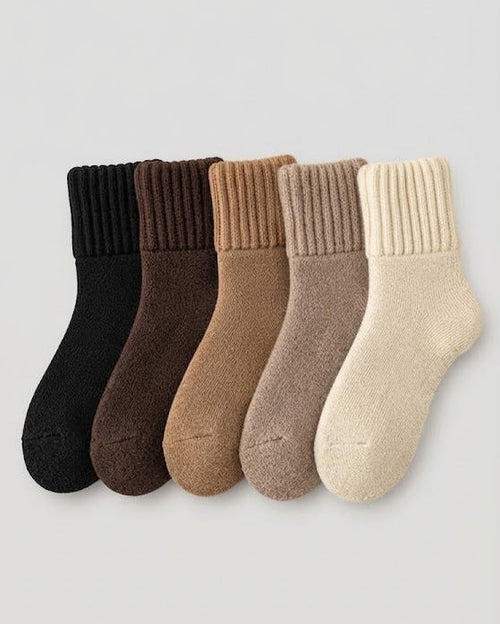
Merino wool is softer and better suited to wearing next to the skin, for example in base layers, socks and beanies. Regular wool is often better for garments worn over other layers, like thick jumpers and cardigans.
Warmth
Both insulate well, because the wool fibre is crimped and traps air. A thick garment in regular wool can be very warm. Merino wool gives a lot of warmth for its thickness and works well in thinner garments that are easy to layer.
Moisture and breathability
All types of wool can absorb moisture vapour and move it away from the skin. Merino's fine fibres and thin garments mean it often feels drier and less stuffy when you're on the move.
Odour
Wool in general is good at resisting odour. That's why wool garments can often be worn several times and aired between wears instead of being washed.
Durability
Here regular wool often has the edge. Coarser fibres withstand abrasion better, while fine merino fibres can wear thin or pill faster if exposed to a lot of friction. That's why many merino garments are blended with a small share of synthetic fibre to make them more hard-wearing.
Price
Merino wool is usually more expensive, as the fine fibre is in higher demand and requires more processing.
When should you choose which?
- Choose merino wool for garments worn next to the skin, if you find that wool usually itches, and for accessories like beanies, scarves and gloves that touch your face and neck.
- Choose regular wool for thick, hard-wearing outer garments and pieces that need to last through tough use.
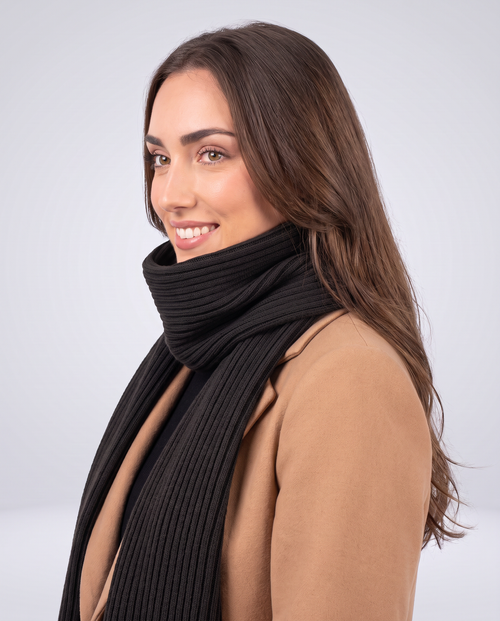
The neck and forehead are sensitive areas where a soft material really makes a difference. That's one reason merino is so popular in beanies and scarves. With us you'll find, for example, a matching 3-piece set with beanie, scarf and gloves, plus more warm pieces among our accessories.
How to care for both
Care is broadly the same for merino wool and regular wool:
- Air often and wash rarely.
- Hand wash or use a wool cycle at a low temperature, with a wool detergent.
- Avoid hot water, rubbing and big temperature changes, which can make wool felt.
- Dry flat and avoid the tumble dryer.
- Store clean and dry, preferably folded rather than on a hanger.
Frequently asked questions
Why does wool itch?
Itching is mainly caused by coarse fibres that are stiff enough to prick the skin. The finer the fibre, the less it tends to itch. That's why merino wool feels softer.
Is merino wool warmer than regular wool?
Not necessarily. Warmth depends a lot on the thickness and construction of the garment. Merino wool gives plenty of warmth in thin garments and is more comfortable next to the skin.
Can you be allergic to wool?
A true allergy to the wool fibre itself is considered rare, but many people react to coarse wool itching. If you have sensitive skin or concerns about allergies, it's wise to consult a healthcare professional.
Can merino wool be machine washed?
Often yes, on a wool cycle and at a low temperature. Always follow the garment's care label.