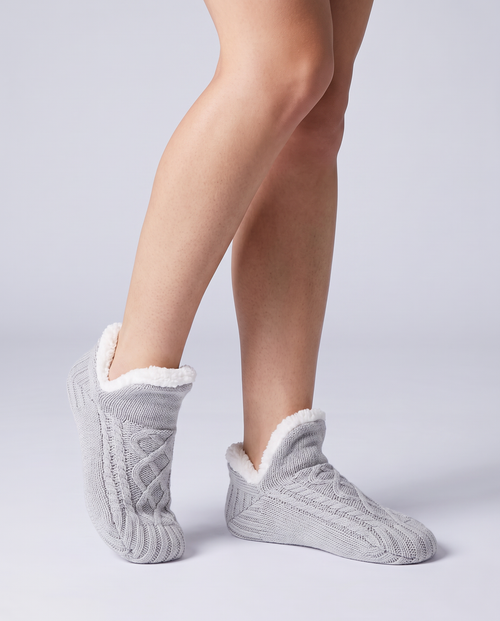
How to wash and care for different materials – merino wool, cotton, polyester and fleece
The right wash keeps your favourite pieces soft and lovely for longer. Here's a simple guide to caring for merino wool, cotton, polyester and fleece.
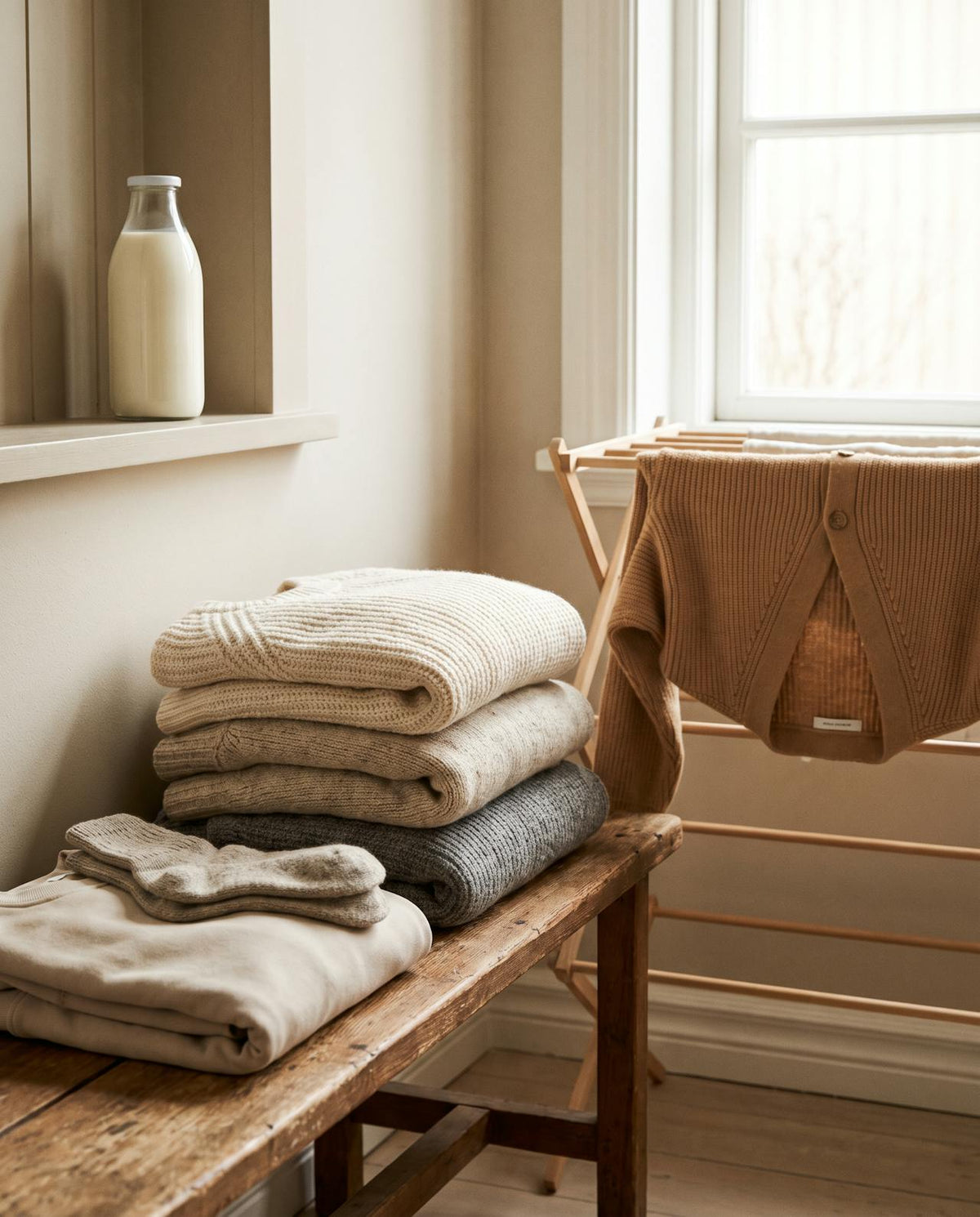
A piece you love deserves to last. Often it isn't wearing it that causes the most wear and tear, but washing it. Too high a temperature, the wrong detergent or a hot tumble dryer can quickly turn a soft garment rough, bobbly or too small. Here's how to care for the most common materials in socks, tights and knitwear.
Always start with the care label
The care label in the garment is the most important guide you have. The manufacturer knows the fibre blend and what it can handle. The advice below is general – if the label says otherwise, follow the label.
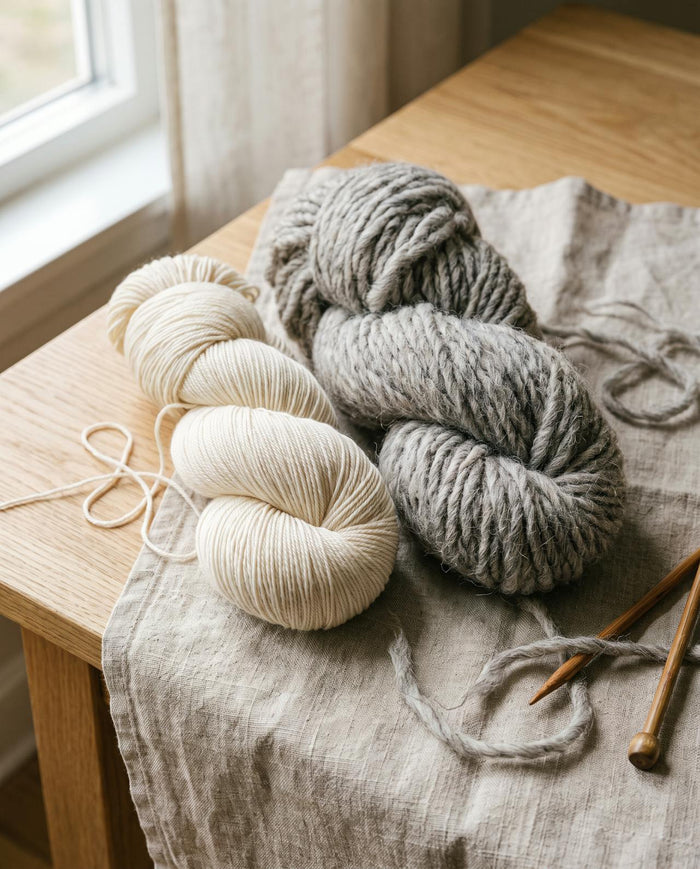
Merino wool
Merino wool is a natural fibre that does best when washed rarely and gently. Wool naturally resists odour, so airing the garment between wears is often enough.
How to wash merino wool
- Hand wash or use your machine's wool programme, usually at max 30°C.
- Use a detergent made for wool. Regular detergents with enzymes can break down the wool fibre.
- Avoid big temperature differences between washing and rinsing. That, together with rubbing, is what makes wool felt and shrink.
- Gently squeeze out the water – don't wring.
- Dry the garment flat on a towel so it keeps its shape.
Avoid
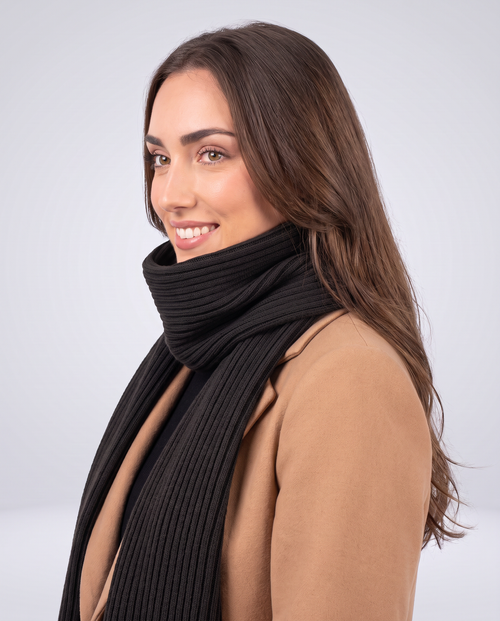
Tumble dryers, bleach and hanging wet knitwear on a hanger. Our 3-piece set with beanie, scarf and gloves, for example, should be hand washed or washed on a wool cycle at max 30°C and dried flat.
Cotton
Cotton is hard-wearing and easy to care for, but it can shrink and fade if washed too hot.
How to wash cotton
- Light cotton can often handle 40 to 60°C. Coloured items keep their colour better at 30 to 40°C.
- Sort by colour, especially for the first few washes.
- Turn dark garments inside out to reduce fading.
- Give the garment a little stretch when you hang it up to save a lot of ironing.
Avoid
High heat in the tumble dryer unless the garment is pre-shrunk. That's the most common reason cotton shrinks.
Polyester and synthetic blends
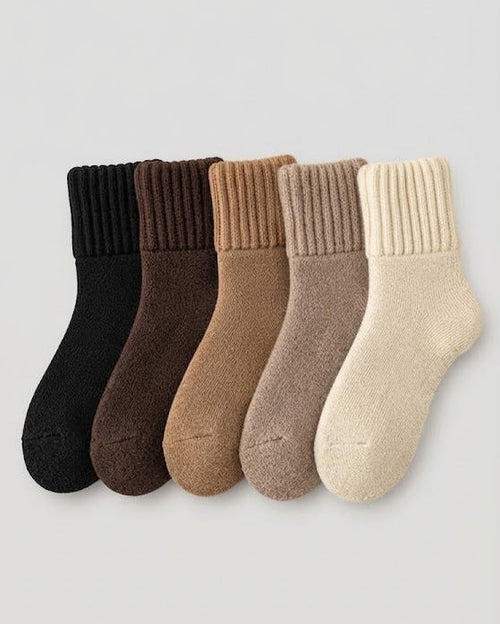
Polyester, nylon and elastane are found in most stretchy items, like tights, leggings and socks. They're tough, but elastane is sensitive to heat.
How to wash synthetics
- Wash at 30 to 40°C. Higher temperatures are rarely needed and wear out the elastane.
- Turn the garment inside out to protect the surface.
- Use a laundry bag for delicate items like tights.
- Skip the fabric softener. It coats the fibres, which can make them less breathable and worse at wicking moisture.
Fleece and sherpa
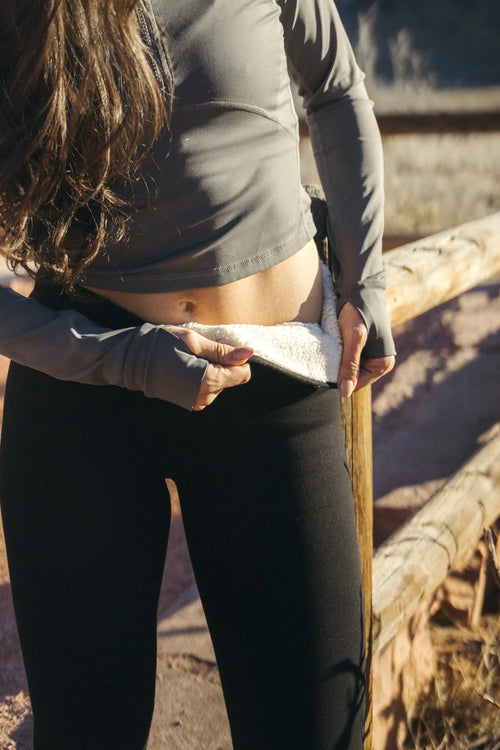
Fleece and sherpa are usually made of polyester with a brushed or curly surface. It's that airy surface that keeps you warm, so the goal when washing is to preserve it.
How to wash fleece
- Turn inside out to protect the lining.
- Wash at a low temperature, cold or up to 30°C, preferably on a gentle cycle.
- Avoid fabric softener and bleach. Softener can make the fibres clump together so the lining goes flat.
- Don't wash together with towels or other items that shed lint.
- Hang to dry, or tumble dry on low if the care label allows.
Our fleece-lined tights are cared for exactly like this: inside out, cold water or hand wash, and low heat or line drying. That keeps the lining soft and warm for longer.
General tips to make your clothes last
- Wash less often. Air knitwear and outerwear instead of washing after every wear.
- Don't overload the machine. Clothes need room to get clean and rub less against each other.
- Dose correctly. More detergent doesn't mean cleaner laundry – it can stay in the fibres.
- Close zips and Velcro so they don't snag other garments.
- Remove pills carefully with a fabric shaver. It's normal for some materials to pill a little at first.
Quick guide
- Merino wool: wool cycle or hand wash, max 30°C, wool detergent, dry flat.
- Cotton: 30 to 60°C depending on colour, careful with the tumble dryer.
- Polyester and elastane: 30 to 40°C, inside out, no fabric softener.
- Fleece and sherpa: cold to 30°C, gentle cycle, no fabric softener, line dry.
Frequently asked questions
Can merino wool be machine washed?
Yes, if the care label allows it. Use the wool cycle, a low temperature and a wool detergent.
Why shouldn't you use fabric softener on fleece?
Fabric softener coats the fibres. On fleece, it can make the airy surface clump together and feel less soft and warm.
How do you remove pills?
Use a fabric shaver or a lint remover and glide it lightly over the surface. Washing inside out and avoiding harsh friction reduces pilling going forward.
Can tights go in the tumble dryer?
It depends on the garment. Elastane doesn't tolerate high heat, so choose low heat if the care label allows it, or hang to dry.